Jesus Christ
Jesus started his ministry when he was about 30 years old
Numbers 4:3 tells us that a man must be at least 30 years old to hold the office of priest. Interestingly, this is about the age Jesus was when he kicked off His ministry:
“Now Jesus himself was about thirty years old when he began his ministry” (Luke 3:23).
...
To teach messages that would have a direct and lasting impact, Jesus often used stories called parables. Sometimes the point of Jesus’ stories were obvious, but there were occasions where His parables were unclear and vague. The disciples were troubled by this:
“The disciples came to him and asked, ‘Why do you speak to the people in parables?’
He replied, ‘Because the knowledge of the secrets of the kingdom of heaven has been given to you, but not to them. Whoever has will be given more, and they will have an abundance. Whoever does not have, even what they have will be taken from them. This is why I speak to them in parables:
‘Though seeing, they do not see;
though hearing, they do not hear or understand’” (Matthew 13:10–13)
3. Jesus last name wasn’t Christ
We hear “Jesus Christ” so often that it’s easy to think that Christ is Jesus’ surname. It’s not. In first-century Palestine, people didn’t have last names. People identified others by referencing their parents:
“They said, ‘Is this not Jesus, the son of Joseph, whose father and mother we know? How can he now say, “I came down from heaven”'?" (John 6:42)
Christ comes from the Greek for Christos, which means “anointed one.”
4. Bethlehem means “House of bread”
The name of the town where Jesus is born is called Bethlehem. In Hebrew, this is two words. Beth meaning “house,” and lehem which means “bread.” It’s hard not to see the significance here
Not only did the prophet Micah predict that the Messiah would be born in Bethlehem, but Jesus frequently referred to himself as the “Bread of Life” (John 6:35, 48, 51).
“Regardless what anyone may personally think or believe about him, Jesus of Nazareth has been the dominant figure in the history of Western culture for almost twenty centuries. If it were possible, with some sort of super-magnet, to pull up out of that history every scrap of metal bearing at least a trace of his name, how much would be left?”
Jesus through the Centuries; His Place in the History of Culture (New Haven: Yale University Press, 1985)
The only in-depth account we have of Jesus comes from the gospels, and John tells us that they only record a fraction of all Jesus did:
“Jesus did many other things as well. If every one of them were written down, I suppose that even the whole world would not have room for the books that would be written” (John 21:25, New International Version).
Even if the gospels don’t offer a complete and unabridged biography of Christ’s earthly life, they’ve given the world enough information to keep poring over His story. And for the 2.3 billion Christians in the world, the gospels tell the remarkable story of God coming to earth to rescue humanity.
Between the well-known stories and parables are little details that illuminate points of interest about Jesus, his disciples, and first-century life in the near east. Here are 40 interesting facts about Jesus’ life
Facts about the birth and childhood of Jesus
The gospels of Luke and Matthew offer the only pictures of Christ’s childhood. Here are some fascinating details they give us.
1. Jesus gets his name from an angel
“The angel went to her and said, ‘Greetings, you who are highly favored! The Lord is with you.’ Mary was greatly troubled at his words and wondered what kind of greeting this might be.
But the angel said to her, ‘Do not be afraid, Mary; you have found favor with God. You will conceive and give birth to a son, and you are to call him Jesus. He will be great and will be called the Son of the Most High. The Lord God will give him the throne of his father David, and he will reign over Jacob’s descendants forever; his kingdom will never end’” (Luke 1:28–33)
2. Jesus is a common first-century name
If God was going to become a human, you’d think that He’d choose a powerful and rare name. That’s just not the case. The name “Jesus” was the John Smith of the first-century. When Christ walked on the earth, He didn’t chase after prominence—and that’s even demonstrated in the name that He chose.
.jpg!Large.jpg)






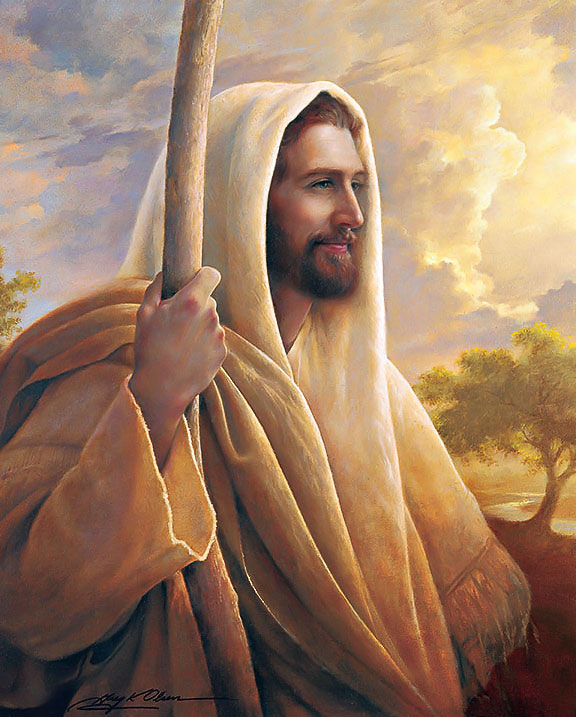
عیسی ناصری-عیسی مسیح-ישוע-הושע
هزار سال پیش از آنکه عیسی به این زمین بیاید، داود پادشاه نیز آمدن مسیح موعود برای گرد هم آوردن قوم خدا را پیشگویی نمود. « خدای ما میآید، امّا نه در سکوت، بلکه با آتش سوزنده که در پیشاپیش اوست و توفان سهمگین که در اطراف اوست. آسمانها و زمین را به گواهی میطلبد تا بر قوم خود داوری کند. او میفرماید: جمع شوید ای مؤمنانی که با قربانیهای خود با من پیمان بستید » (مزامیر باب ۵۰ آیات ۳ تا ۵).
مسیح از ازل وجود داشته، و همه چیز بهوسیلۀ او هستی یافته، این سؤال پیش میآید که آیا واقعاً لازم بود که پسر خدا جلال آسمان را ترک کند، لباس بشری بپوشد و بهصورت یک انسان ظاهر شود؟
یوحنای رسول به این سؤال جواب میدهد. او در اولین رسالۀ خود پنج دلیل میآورد تا نشان دهد که چرا مسیح بهصورت انسان ظاهر شد. البته قبل از هر چیز، در این رساله مشاهده میکنیم که یوحنا میخواهد روی این موضوع تأکید نماید که مسیح واقعاً بهصورت جسم ظاهر شد. در آن زمان اشخاصی بودند که این حقیقت را رد میکردند و میگفتند که مسیح فقط با روح آشکار شد و نه با جسم. بنابراین، یوحنا در فصل چهارم، آیات ۱ تا ۳ به این موضوع اشاره میکند. نباید فراموش کنیم که مسیحیت مبتنی بر حقایق تاریخی است و اگر کسی میتوانست خلاف این را ثابت کند، مسیحیت از بین میرفت. به همین دلیل، همۀ رسولان به این موضوع بسیار اهمیت میدهند.
برای نمونه پطرس مینویسد: «وقتی ما دربارۀ قدرت خداوند ما عیسی مسیح و آمدن او سخن گفتیم، به افسانههایی که با مهارت ساخته شدهاند متوسل نشدیم، زیرا ما با چشمان خود بزرگی ملکوت او را دیدهایم» (دوم پطرس ۱:۱۶). یوحنا نیز این حقیقت را تأئید میکند و در قسمت اول رسالهاش میفرماید که ما او را شنیدیم و دیدیم و لمس کردیم. بله، همان کلمه که خود خدا بود، واقعاً شکل انسان به خود گرفت و در میان ما ساکن گردید (یوحنا ۱:۱ و ۱۴)
اصطلاح "نجاتدهندۀ عالم" تأئید میکند که پیغام مسیح مخصوص همه، در هر زمان میباشد. به همین جهت، از ابتدای زندگی مسیح بر روی زمین، برای بسیاری آشکار شده بود که او باید "نجاتدهندۀ جهان" باشد. بارها بهخصوص در قسمت اول انجیل لوقا، به این اصطلاح برخورد میکنیم. مثلاً مریم میگوید: «روح من در نجاتدهندۀ من، خدا، شادی میکند» (۱:۴۶)، زکریا میگوید: «از خاندان بندۀ خود داود، رهانندۀ نیرومندی برافراشته است (۱:۶۹)
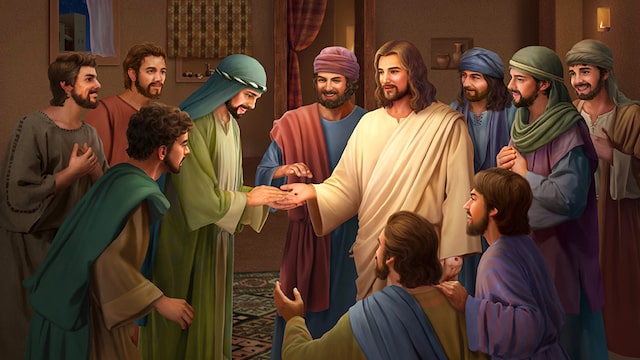
Some groups suggest that Jesus was raised in a spiritual and not a physical body. But Jesus’ actual body was raised from the dead. He tells the disciples:
“Why are you troubled, and why do doubts rise in your minds? Look at my hands and my feet. It is I myself! Touch me and see; a ghost does not have flesh and bones, as you see I have.” (Luke 24:38–39)
To help hammer this truth home to them, Jesus ate in their presence:
And while they still did not believe it because of joy and amazement, he asked them, “Do you have anything here to eat?” They gave him a piece of broiled fish, and he took it and ate it in their presence (Luke 24:42–43).
Jesus got angry. He even turned over tables in the temple. He did not appreciate people that were taking advantage of others in His Father’s house. It might be surprising that Jesus showed His anger, but it is refreshing to know He gets angry over issues such as injustice, just like you and me.
Jesus had more issues with church leaders than the people in the community. During Jesus' ministry, He extended grace and love to ordinary people, even "sinners." And He had some harsh words for the religious leaders of His time. He didn't like the way they treated the people He loved. It shows us that no matter how many followers or how much power and influence we have, it is important to lead others well because He cares more about how we treat others than how well we keep a set of rules.
Jesus had humble beginnings. Born into a carpenter's family, Jesus came from a poor, day-laborer home. This means Jesus would have known what it was like to live in poverty and have hunger and need. Although Jesus is the Son of God, He decided to come to earth as an ordinary guy, just like you and me.
Jesus started His ministry later in life, around the age of 30 years. Some of us might expect Him to have started his ministry when He was born, but He actually went through normal experiences growing up as a baby, small child, teenager, and young adult.
Jesus had an incredible respect for women and even helped a woman who was about to be stoned to death.
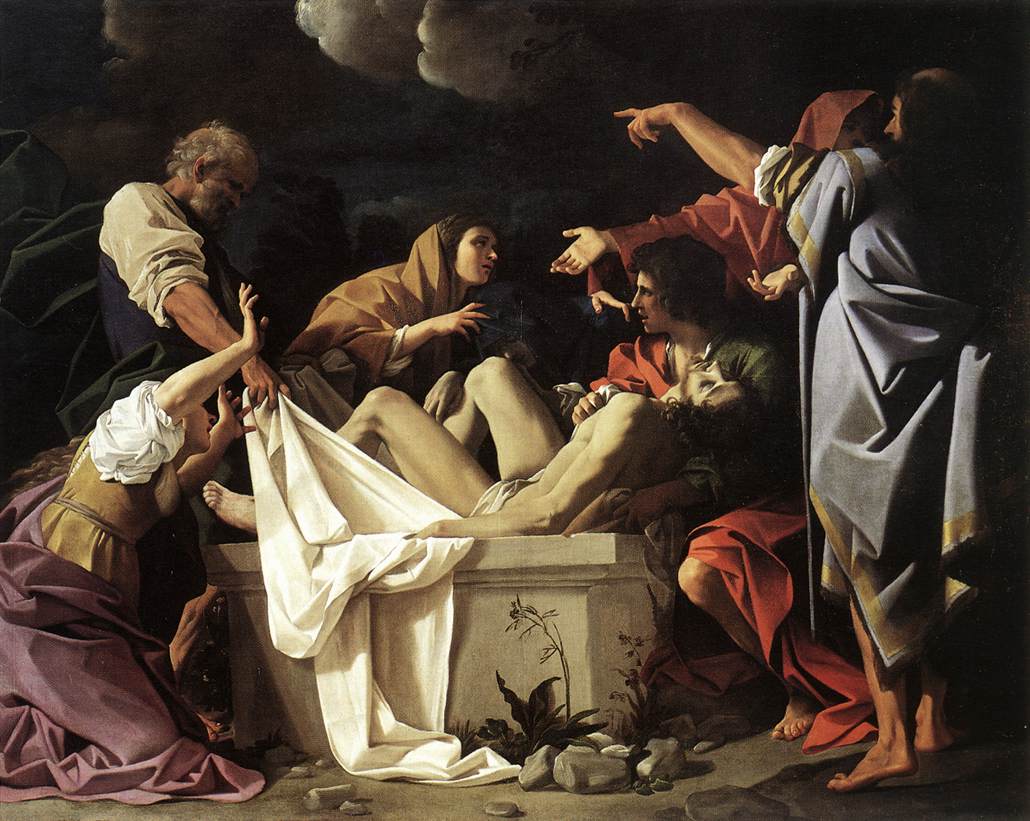
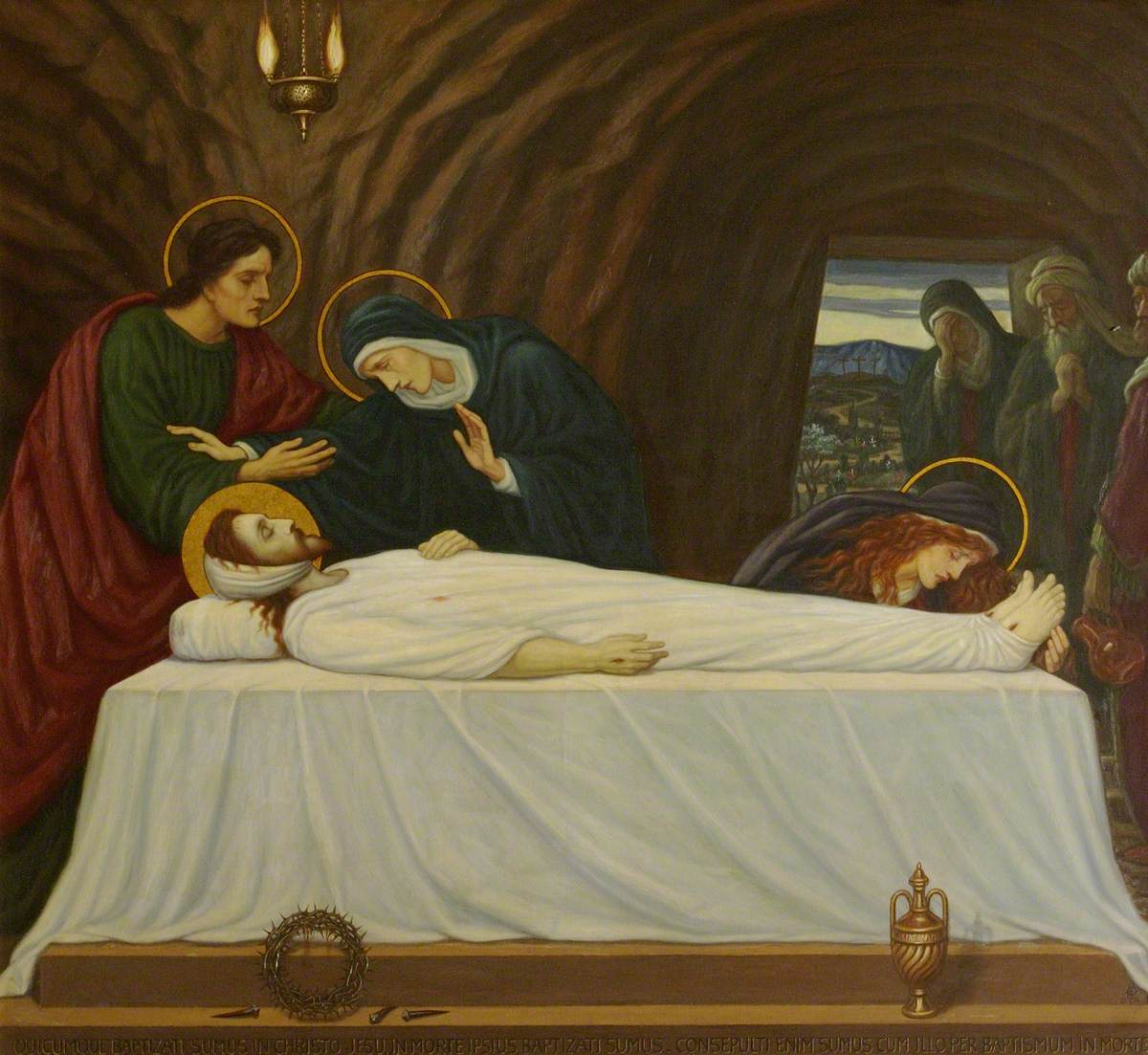
Several sources mention Jesus' crucifixion at the hands of Pontius Pilate, the Roman prefect. Christian Gospels say the skies darkened for hours after the crucifixion, which historians viewed either as a miracle or a portent of dark times to come. Using astronomy, later historians have used this mention to pinpoint the death of Christ. Some tie the crucifixion to a one-minute 59-second total solar eclipse that occurred in 29 C.E., whereas others say a second total eclipse, blocking the sun for four minutes and six seconds, in 33 C.E. marked Jesus' death. (C.E. stands for Common Era or Christian Era, and is an alternative name for anno Domini, or A.D.)
Death by crucifixion was one of the goriest ends the Romans meted out, and it was typically reserved for slaves and those seen to be challenging Roman authority.
Jesus refers to God as “father” in his prayers
All of Jesus’ prayers demonstrate a deep and abiding relationship with God. When He spoke to God, He used the word Abba—the most familiar word for father.
“So they took away the stone. Then Jesus looked up and said, ‘Father, I thank you that you have heard me. I knew that you always hear me, but I said this for the benefit of the people standing here, that they may believe that you sent me.’
When he had said this, Jesus called in a loud voice, ‘Lazarus, come out!’” (John 11:41–43, NIV)
Going a little farther, he fell with his face to the ground and prayed, “My Father, if it is possible, may this cup be taken from me. Yet not as I will, but as you will.’” (Matthew 26:39)
“Jesus said, ‘Father, forgive them, for they do not know what they are doing.’ And they divided up his clothes by casting lots.” (Luke 23:34, NIV)
It’s hard to think of a more dramatic miracle than raising someone from the dead. The gospels record three times that Jesus performed this feat:
The widow of Nain’s son (Luke 7:11–17)
This is the first resurrection Jesus performed. As He approached the town of Nain, He met a funeral procession coming out. In the coffin was a young man, and Jesus’ heart went out to man’s mother. She was a widow, and this was her only son. Jesus spoke to the man in the coffin, “Young man, I say to you, get up!” He turned the whole town’s mourning into dancing.
Jairus’ daughter (Luke 8:52–56)
Jairus, a leader of the synagogue, pushes through a crown to get to Jesus. He wants the Lord to come to his home and heal his sick daughter. While they were on their way, a member of Jairus’ household came to tell them they were too late. Jairus’ daughter had died. Jesus encouraged Jairus to have faith, and they continued to the synagogue leader’s home. When they arrived, Jesus raised the young girl.
Mary and Martha had sent word to Jesus that their brother was ill. Instead of rushing to Bethany to be with His friend, Jesus and the disciples stayed where they were for a couple of days. When Jesus finally decided to head to Bethany, the disciples warn Him against it. The last time they were in Judea, the Jews had tried to have Him killed. Jesus tells them that Lazarus has died. Upon their arrival, both Mary and Martha express their grief. Jesus promises that He is the “resurrection and the life.” At Lazarus’ tomb, four days after Lazarus has died, Jesus calls, “Lazarus, come out.” And Lazarus walks from his grave.
When Mary and Joseph presented Jesus in the temple, they met an older man named Simeon. The Holy Spirit promised Simeon that he would see the Messiah before he died. Prompted by the Spirit, he recognized Jesus. Taking the child in his arms, he thanked God for allowing him to witness God’s salvation.
Then he spoke to Mary, “This child is destined to cause the falling and rising of many in Israel, and to be a sign that will be spoken against, so that the thoughts of many hearts will be revealed. And a sword will pierce your own soul too” (Luke 2:34–35).
The last sentence of his prophecy proved true as Mary watched her son be crucified. Even in His agony, Jesus was concerned for the care of His mother, instructing John to care for her (John 19:26–27).
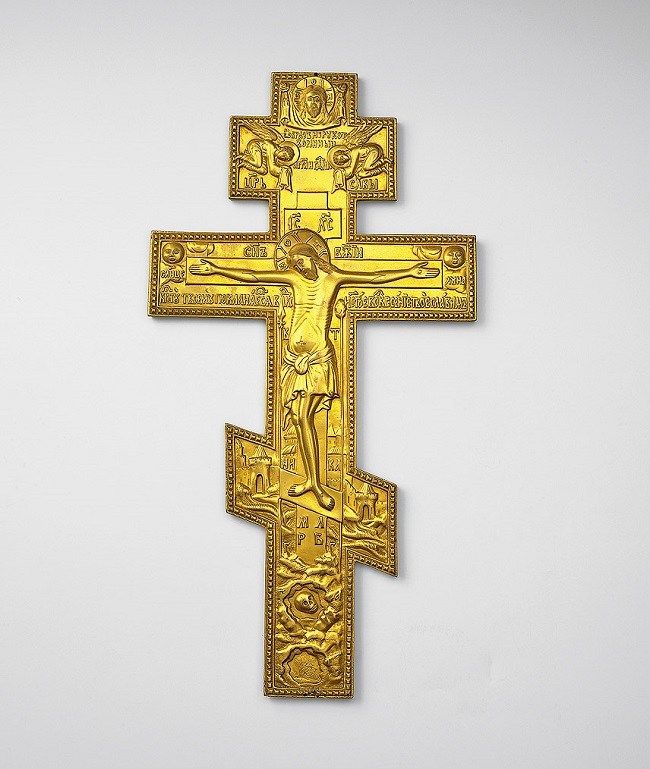
In Matthew’s gospel, we’re told that a sign is made that explains the charges against Jesus (27:36). John tells us that since the place where Jesus was crucified was near the city, “Jesus of Nazareth, the King of the Jews” written in Aramaic, Latin, and Greek (19:20).
In many works of art and crucifixes, the letters INRI appear on the sign. This comes from the first letters of the Latin inscription: Iesus Nazarenus Rex Iudaeorum.
Romans maintained power through intimidation.
Many modern representations of Jesus portrayed Him as an emotionless zen-like figure. But the gospel writers give us a glimpse of a passionate Savi
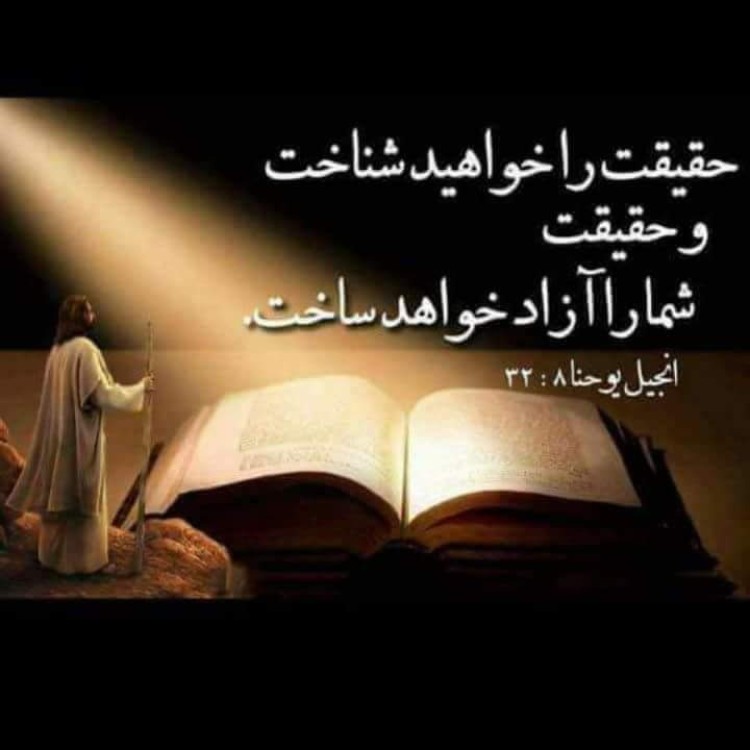
 or. Throughout the gospels, we see Jesus:
Flip over tables (Mt. 21:12–13)
Cry (Lk. 19:41–44, Jn. 11:35)
Show compassion (Mt. 9:36–38, 21:12; Mk. 1:41
Imagine if your entire spiritual welfare depended on how well you knew the book of Deuteronomy! When Satan tempts Jesus in the desert, He answers every enticement with a passage from this one book from the Pentateuch.
Jesus had fasted for 40 days and was nearing starvation. When the devil lures Him to use his power to make stones into bread, Jesus responds with a quote from Deuteronomy 8:3: “It is written: ‘Man shall not live on bread alone, but on every word that comes from the mouth of God.’” (Matthew 4:4)
Next, Satan tempts Jesus to prove His uniqueness by throwing Himself off the temple. The devil reminds Jesus that God won’t allow Him to fall. This time, Jesus pulls a quote from Deuteronomy 6:16: “It is also written: ‘Do not put the Lord your God to the test.’” (Matthew 4:7)




Jesus Christ-عیسی مسیح
- لوقا ۳۴:۲۳: پدر، آنها را ببخش نمی دانند چه میکنند.
- لوقا ۴۶:۲۳: حقیقتاً، من امروز به تو میگویم، امروز تو با من در بهشت خواهی بود.
- یوحنا ۱۹:۲۶–۲۷: به مادرش بانو، اینک پسرت، به شاگردی که دوست می داشت اینک مادرت
- متی ۲۷:۴۶ و مرقس ۱۵:۳۴: خدای من، خدای من، چرا من را وا گذاشتی؟
- یوحنا ۱۹:۲۸: تشنهام.
- یوحنا ۱۹:۳۰: به اتمام رسید
- لوقا ۲۳:۴۶: ای پدر روح خود را به دستان تو میسپارم.
بهطور سنتی این هفت عبارت مختصراً
۱- بخشش ۲- نجات ۳- توجه و مراقبت
۴- دلهره و اضطراب ۵- رنج و عذاب ۶- پیروزی و ۷- تجدید دیدار
27. فرشته نماد طبیعت انسانی مسیح ، تجسم زمینی او است. همچنین نمادی از انجیل متی است.
قلب مقدس نمادی از قلب فیزیکی مسیح و عشق الهی او به تمام بشریت است.
زخمها و تاج خارها نماد مصلوب شدن مسیح و فداکاری او برای نجات بشریت است
و شعله اطراف آن به معنای شعله تحول آفرین عشق است. پرستش قلب مقدس در کلیسای کاتولیک روم وجود دارد.
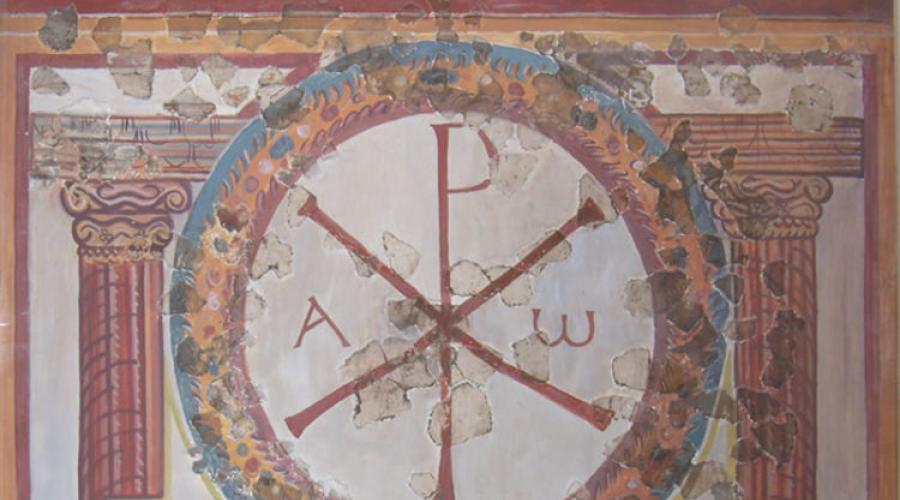
IHS مخفف عبارت لاتین Iesus Hominum Salvator (عیسی - ناجی بشریت) است.
در سنت مسیحی ، ستاره درخشان در شب
نماد آرزوی روح برای رستگاری است ،
کتاب مقدس از مسیح به عنوان ستاره صبح صحبت می کند.
در سنت مسیحی ، کبوتر به معنای پاکی ، سادگی و کفاره گناهان است. کبوتر نماد روح القدس
که نشان دهنده ذات الهی عیسی مسیح
خروس-نماد رستاخیز عمومی که در دومین آمدن مسیح حکم آخر دیدار کنند و زندگی جدیدی را به ارث ببرند.